Scotland Castle History: Stone Guardians of a Storied Land
At one time, Scotland held over 3,000 castles — nearly one for every 100 square kilometres. Today, around 1,500 still stand, scattered across cliffs, islands, glens, cities, and remote moors. Some are ruins shaped by …
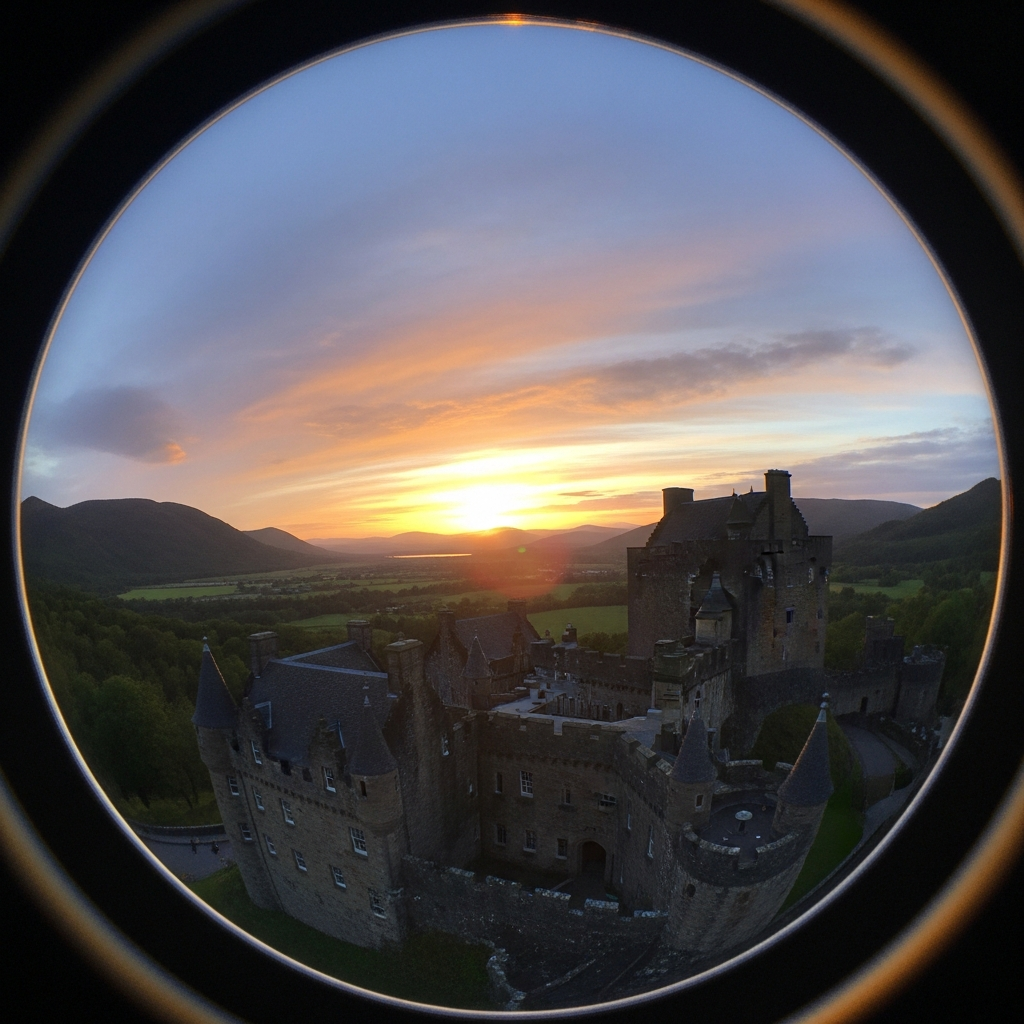
At one time, Scotland held over 3,000 castles — nearly one for every 100 square kilometres. Today, around 1,500 still stand, scattered across cliffs, islands, glens, cities, and remote moors. Some are ruins shaped by storms and centuries; others remain proud, towering silhouettes visible for miles. These structures are more than fortresses. They are the memory-keepers of a fiercely independent land — silent witnesses to clan feuds, royal ambitions, architectural brilliance, and the changing spirit of Scotland itself.
This article explores their story thematically: how they began, how they evolved, what they meant to Scotland’s people, and what they still mean today. And along the way, we’ll take a closer look at three remarkable castles — each from a different region — to illuminate this history in depth.
The Birth of Scottish Castles: Power, Protection, and Place
Castles arrived in Scotland with a very specific purpose: control of land and people. From the 1100s onward, royal authority, clan territories, and strategic geography shaped where fortresses stood. Scotland’s rugged topography alone demanded creativity — volcanic crags, sea-washed cliffs, marshlands, islands, and mountain passes offered natural defenses but required architectural adaptation.
Early castles began as timber mottes and quickly evolved into stone keeps. These were not built for comfort. They were built to survive sieges, storms, political betrayal, and the unpredictable violence of medieval life.
What made Scotland unique was how each region produced its own castle personality:
• Lowlands: administrative strongholds, royal power centres, stone curtain walls, grand halls.
• Highlands: clan fortresses, tower houses, island castles, defensive simplicity but emotional symbolism.
• Islands & Coast: sea fortresses, trade-protection towers, Norse influence, boat-access-only structures.
This diversity gives Scotland one of the most architecturally varied castle landscapes in Europe.
Architectural Evolution: From Tower Houses to Baronial Grandeur
As Scotland’s political climate changed, so did its castles.
Tower Houses (14th–17th century)
Perhaps the most iconic Scottish design. Tall, narrow, defensible towers with limited entrances. They reflected a world where clan disputes and local skirmishes were constant — castles had to be compact, efficient, and intimidating.
Renaissance & Baronial Influence (16th–19th century)
When Scotland’s political situation stabilised, practicality slowly gave way to elegance. Castles became palatial homes, blending defense with prestige. Steep gables, turrets, crow-stepped roofs — all became hallmarks of Scottish architecture.
It was no longer enough for a castle to be strong. It also had to be seen.
Castles as Symbols: Clan Identity, Royal Legitimacy, and the Scottish Mindset
In Scotland, castles were not just buildings. They were identity anchors.
• For clans, castles were territorial hearts — a sign that their lineage was strong enough to claim and defend land.
• For monarchs, castles were tools of control — from Edinburgh to Stirling to Inverness, royal castles projected authority over a divided kingdom.
• For the people, castles became symbols of endurance. A village might change; a feudal system might collapse; a kingdom might merge — but the stone walls remained.
To this day, locals speak of castles not only as historical sites but as living presences woven into the land’s psyche. Some even speak of faint echoes or a lingering “presence” in certain halls or staircases — not full ghost stories, but an atmospheric recognition that centuries of human emotion still cling to the stone.
Case Study 1: Edinburgh Castle — The Unbroken Sentinel of the Lowlands
Few castles in the world are as dramatically positioned as Edinburgh Castle, perched atop an extinct volcanic crag towering over the capital. Its location alone makes it one of Europe’s natural fortresses.
For over 900 years, Edinburgh Castle stood as the centre of Scottish royal power: birthplace of monarchs, royal treasury, military base, and symbol of national defiance.
Key architectural moments
• The 12th-century St. Margaret’s Chapel — the oldest surviving building in Edinburgh.
• The Great Hall — echoing medieval banquets and parliamentary meetings.
• The Lang Stairs and Half-Moon Battery — evidence of adaptation during times of siege.
Edinburgh Castle shaped the city’s identity. Every war, union, rebellion, and political shift left its mark here. Unlike many castles that fell and faded, Edinburgh remained active, functional, and unbroken.
Case Study 2: Eilean Donan — The Highland Icon Reborn
If you imagine a quintessential Scottish castle surrounded by misty water and mountains, you are thinking of Eilean Donan.
Built originally in the 13th century on a small island at the meeting point of three sea lochs, Eilean Donan served as a key defensive outpost for the Highlands. It protected clan territory, controlled sea access, and played a central role in Jacobite-era politics.
Destruction & rebirth
The castle was destroyed in the early 1700s after a Jacobite uprising but was meticulously restored in the 20th century. This restoration created a new kind of legacy: Eilean Donan became a symbol not only of history, but of heritage preservation done right.
It is one of Scotland’s most photographed castles — not because of pop culture, but because its entire presence feels like a painting. Even without legends, the air around it carries a quiet, atmospheric weight that visitors never forget.
Case Study 3: Caerlaverock Castle — The Triangular Fortress of the South
Deep in the Lowland marshes near Dumfries stands Caerlaverock Castle, one of the most unusual fortresses in Europe.
Its triangular plan is almost unheard of in castle architecture. With twin towers at the entrance and a moat surrounding the entire structure, Caerlaverock was designed for both elegance and military strategy.
This story is part of the guide to Culdees Castle Estate Ltd..
Keep reading
Related stories
The Quest to Discover the World’s Hidden Castle Gems
Beyond the famous battlements and postcard-perfect keeps lies another world. It is quieter, older, and infinitely more mysterious. Here, moss climbs over forgotten walls, towers lean gently with the weight of centurie…
Ashford Castle
The Evolution of Gothic Castles: From Fortress Walls to Fairytale Towers
In the aftermath of Europe’s restless Middle Ages, stone became both weapon and witness
Bodiam Castle
How to Live Your Castle Journey Book
You open CastleBook, and the world unfolds before you—not as lines on a map, but as a living chronicle waiting for your hand to write the next page. Pins gleam like scattered jewels, each one guarding centuries of whi…
Ashford Castle